What is Osteopathy?
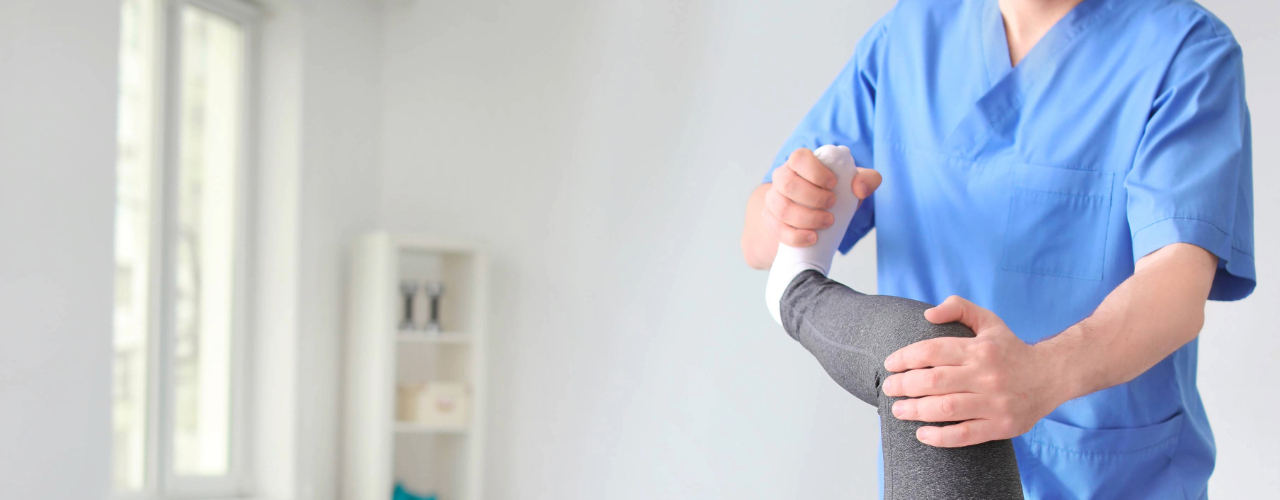
Osteopathy is a holistic, patient-centered form of manual therapy that views the body as an integrated system. Founded by Dr. Andrew Taylor Still in the late 19th century, this therapeutic approach focuses on:
- Treating the whole person, not just symptoms
- Promoting the body’s natural healing capabilities
- Addressing the interconnection between body structures and functions
- Using hands-on techniques to improve overall health and well-being
Core Osteopathic Principles
- The body is a unified, self-healing mechanism
- Structure and function are interrelated
- Optimal health depends on proper body mechanics
- Rational treatment is based on understanding these principles
Osteopathy’s Role in Breast Cancer Support
Breast cancer treatment challenges patients physically and emotionally. Osteopathy emerges as a compassionate, holistic support system that addresses comprehensive patient needs during and after cancer therapy.
Key Therapeutic Benefits
- Lymphatic System Support
- Gentle manual techniques to improve lymph circulation
- Potential reduction of lymphedema symptoms
- Enhanced natural drainage and healing processes
- Comprehensive Pain Management
- Targeted techniques addressing:
- Post-surgical discomfort
- Radiation-induced muscle tension
- Chemotherapy-related body stress
- Targeted techniques addressing:
- Scar Tissue Rehabilitation
- Specialized manual interventions to:
- Increase tissue flexibility
- Minimize scar tissue restrictions
- Promote healing and mobility
- Specialized manual interventions to:
- Emotional and Physical Stress Reduction
- Holistic approaches supporting:
- Overall body relaxation
- Stress management
- Natural healing mechanisms
- Holistic approaches supporting:
Scientific Perspective and Research
Recent studies indicate osteopathic treatments can:
- Improve patient comfort during cancer recovery
- Helps with overall wellbeing
- Assists in pain reduction
Critical Considerations for Patients
Professional Collaboration is Key
- Always consult oncology team before starting osteopathic treatment
- Seek practitioners with oncology support expertise
- Osteopathy can be a part of an integrative approach to cancer care similar to acupuncture, massage, etc, however it is not meant to be a replacement for advised medical interventions, including oncology physiotherapy
Frequently Asked Questions
Q: What techniques do manual osteopathic practitioners use?
A: Common techniques include:
- Soft tissue manipulation
- Joint mobilization
- Myofascial release including gentle scar tissue techniques
- Cranial-sacral therapy and/or Neural Manipulation
- Visceral Manipulation
- Gentle stretching and resistance techniques
Q: Is osteopathy safe during breast cancer treatment?
A: When performed by qualified professionals and coordinated with medical teams, osteopathy offers a safe, supportive therapeutic approach.
Q: How often should breast cancer patients receive osteopathic treatment?
A: Treatment frequency varies. Personalized plans depend on individual health status, treatment stage, and oncologist recommendations.
Conclusion: A Holistic Path to Healing
Osteopathy provides a patient-centered, gentle approach to supporting breast cancer patients. By addressing physical, emotional, and systemic health, it offers valuable complementary care.
Disclaimer: Always consult healthcare professionals to develop a personalized, comprehensive treatment plan.