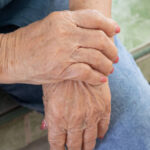
Arthritis is a common source of hand pain, impacting grip, mobility, and the ability to perform everyday tasks. Though arthritis can affect any joint in the body, its impact on the hands can be especially challenging, as it limits activities that require fine motor skills and manual dexterity. Understanding how hand pain arthritis develops can help individuals recognize symptoms early and seek effective treatments to maintain hand function. At Jenna Howe Osteopathy and Concussion Recovery, our osteopathic manual therapists offer personalized approaches to help reduce pain and support hand mobility.
What Causes Arthritis-Related Hand Pain?
Hand pain from arthritis typically results from one of two types: osteoarthritis or rheumatoid arthritis. Each form of arthritis affects the hand joints differently, leading to various symptoms that worsen over time.
Osteoarthritis (OA):
- Known as “wear and tear” arthritis, osteoarthritis occurs when the cartilage that cushions the ends of bones gradually wears down. Without adequate cartilage, bones rub against each other, causing joint pain, stiffness, and swelling. In the hands, osteoarthritis most commonly affects the joints at the base of the thumb, the tips of the fingers, and the middle joints of the fingers. This wear on cartilage typically worsens with age and repeated joint use.
Rheumatoid Arthritis (RA):
- Unlike osteoarthritis, rheumatoid arthritis is an autoimmune disorder in which the body’s immune system mistakenly attacks the lining of the joints, known as the synovium. This results in inflammation, joint swelling, and, eventually, damage to the bones and cartilage. In the hands, rheumatoid arthritis often affects both hands symmetrically, targeting joints in the fingers and wrists. Over time, this inflammation can lead to deformities and chronic hand pain.
These forms of arthritis cause pain and impact the range of motion, reducing flexibility and strength in the hands. Both osteoarthritis and rheumatoid arthritis can be managed effectively with proper care and early intervention.
How Hand Pain from Arthritis Progresses Over Time
The progression of hand pain arthritis varies by individual but often follows a gradual pattern. Early signs of arthritis may be subtle, but as the condition progresses, the pain and discomfort become more pronounced.
Early Stages:
- Arthritis in its initial stages may cause mild joint stiffness, especially in the morning or after periods of inactivity. Some individuals notice a dull ache or mild discomfort when using their hands for specific activities, like gripping objects or typing. This stage is often marked by occasional flare-ups that may resolve with rest.
Moderate Stages:
- As arthritis progresses, the cartilage wears down, and joint inflammation increases, causing the pain to become more consistent. Swelling and tenderness may develop around the affected joints, making simple tasks like holding a pen, opening jars, or buttoning clothes more challenging. At this stage, stiffness may last longer, and individuals may start to lose grip strength and fine motor control.
Advanced Stages:
- In advanced arthritis, cartilage loss is significant, and the joint space narrows considerably. Pain can be constant, and joints may appear visibly swollen, deformed, or enlarged. In severe cases, bone erosion or cysts may form, leading to chronic hand pain, decreased range of motion, and limited hand function. Individuals in this stage may struggle with most daily activities and may require assistance effectively managing hand function.
By recognizing these stages early, individuals can take steps to manage arthritis symptoms, preserve joint health, and reduce the impact of hand pain arthritis on their daily lives.
How Osteopathic Manual Therapy Can Help Manage Hand Pain from Arthritis
Osteopathic manual therapy offers a range of techniques to help alleviate hand pain arthritis, improve joint function, and support long-term hand health. Out therapists at Jenna Howe Osteopathy and Concussion Recovery use a holistic approach, focusing on improving joint alignment, relieving tension, and promoting mobility in affected hand joints. Here are some effective osteopathic techniques for managing arthritis-related hand pain:
Joint Mobilization:
- Joint mobilization involves slow, controlled movements to restore joint range of motion and function. This technique can be especially useful for individuals with osteoarthritis, as it helps reduce pain and stiffness by gently stretching and realigning the affected joints.
Soft Tissue Techniques:
- In cases of rheumatoid arthritis or when there is muscle tightness around the hand joints, osteopathic practitioners use soft tissue techniques to release tension in the surrounding muscles and ligaments. This approach can alleviate discomfort, improve circulation, and reduce the pressure on inflamed joints.
Stretching and Mobility Exercises:
- To support long-term relief, manual osteopathic therapists may guide patients through gentle stretching and mobility exercises to maintain flexibility and strength in the hands. These exercises focus on enhancing grip strength and improving the range of motion, making daily activities easier and more comfortable.
Through these techniques, patients can achieve meaningful relief from arthritis-related hand pain, maintain their hand function, and improve their quality of life.
Taking Control of Hand Pain from Arthritis
Managing hand pain arthritis effectively starts with understanding the causes and progression of the condition. By recognizing early symptoms and seeking specialized care from an osteopathic manual therapist, individuals can take control of their arthritis pain and protect their hand function over time. At Jenna Howe Osteopathy and Concussion Recovery, our dedicated team provides personalized assessments and treatment plans to help you find relief from hand pain and regain your independence. Contact us today to learn how osteopathic therapy can support you and help you find relief!