Are you experiencing shooting pain, numbness, and tingling in your arms and legs? These are some of the telltale symptoms of a herniated disc.
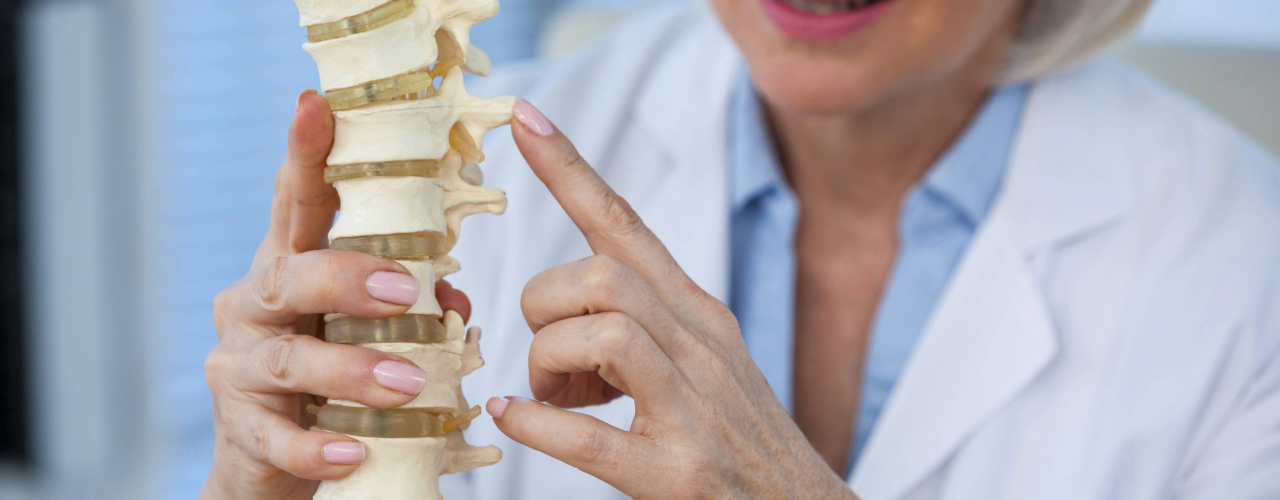
Our bodies have discs that serve as cushions for the vertebrae that make up the spine. These discs have a stiff outer shell (annulus) surrounding the nucleus and are spherical, resembling little pillows. Discs are situated between each vertebra in the spinal column and serve as shock absorbers.
A herniated disc occurs when a portion of the disc nucleus pushes through a tear or rupture in the annulus and into the spinal canal. If it presses on a nearby nerve root, it can cause the symptoms of a herniated disc.
Any section of the spine might experience a herniated disc, although they’re most common in the neck and lower back. The location of your symptoms will vary based on which part of the spine is affected.
If you or someone you know has been diagnosed with a herniated disc, osteopathic therapy at Jenna Howe & Associates Osteopathy and Concussion Recovery can help alleviate your symptoms. Schedule an appointment to get started.
The Causes and Symptoms of a Herniated Disc
A herniated disc might develop due to a severe strain or injury. However, as we age, the discs start to degenerate and dry out, which leaves us more susceptible to herniation. A relatively minor pressure or twisting motion might rupture a disc as this degeneration worsens.
Herniated Disc Symptoms
The location of the disc herniation and whether it is pressing on a nerve will determine the signs and symptoms.
If the herniated disc is in your lower back, you’ll experience symptoms along one leg and into the foot. If it’s in your neck, you’ll experience shoulder, arm, and hand symptoms on one side of your body.
If it’s not pressing on a nerve, you might not experience any symptoms at all.
Here’s what to look out for:
Radiating Pain
- Because herniated discs impact the nerves, you’ll typically experience sharp, shooting pain along the path of the affected nerve.
Tingling or Numbness
- Radiating numbness or tingling throughout the affected body part is also common. Depending on the source, symptoms might extend into your hands or feet.
Weakness
- Affected nerves tend to weaken the muscles they service. This may impair your walking ability or make it difficult for you to lift or hold objects.
What Benefits Can Osteopathic Therapy Provide for a Herniated Disc?
Osteopathic therapy can help with symptoms by easing the pressure a herniated disc puts on spinal nerves. You and your therapist will create an individualized treatment plan to facilitate your recovery.
This plan will include exercises and manual therapies to help improve your pain and mobility. Education is vital to your care, along with recommendations for at-home exercises. Guidance on different lifestyle changes can also help ensure you restore your health and well-being.
You can get back to your routine and activities with the aid of osteopathic therapy. The time it takes for the problem to recover varies, but when a correct posture, pain-reduction, stretching, and strengthening program.
Other benefits of osteopathic therapy include:
- Reducing pain and other symptoms
- Improving posture
- Restoring motion
- Improving flexibility
- Working on strength
- Building endurance
- Returning to normal activities
After your discomfort has subsided, it will be crucial for you to maintain your new movement routines to keep your back strong and pain-free.
Request an Appointment at Jenna Howe & Associates Osteopathy and Concussion Recovery Today!
Our osteopathic therapists offer several techniques to address herniated discs. During treatment, your therapist will utilize manual therapy, patient education, or additional strategies to manage your pain and move you through recovery as quickly as possible.
Call us at Jenna Howe & Associates Osteopathy and Concussion Recovery in Victoria BC, or Burnaby, BC to schedule an appointment today!