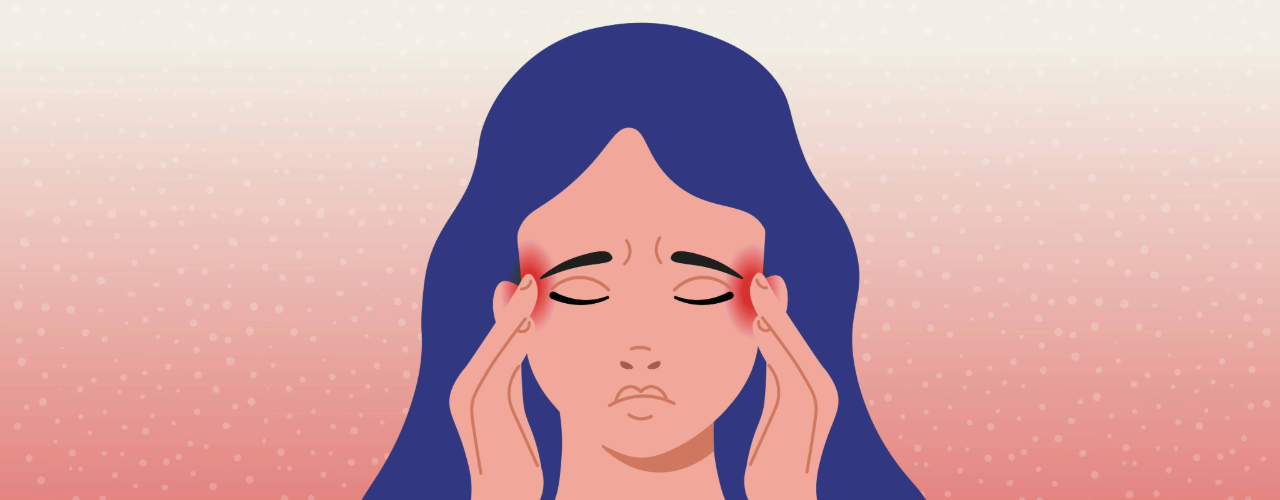
Temporomandibular joint (TMJ) dysfunction is a common but often overlooked cause of headaches. The TMJ connects the lower jaw to the skull, allowing for essential movements such as chewing, speaking, and yawning. However, when this joint becomes misaligned or strained, it can lead to headaches from TMJ dysfunction that disrupt daily comfort and well-being. At Jenna Howe Osteopathy and Concussion Recovery, our osteopathic manual therapists specialize in treatments that address both TMJ dysfunction and the headaches it can cause, helping patients find long-lasting relief.
How TMJ Dysfunction Leads to Headaches
TMJ dysfunction affects the alignment and mechanics of the jaw, often leading to muscle tension and irritation in the surrounding areas. The TMJ is closely linked with the muscles and nerves that support jaw movement, and when misalignment or stress occurs in this joint, the pain often radiates to nearby regions, causing tension in the temples, neck, and shoulders.
This muscle tension and nerve compression can lead to two common types of headaches:
Tension Headaches:
- Tension headaches are typically felt as a band of tightness around the head, especially in the temples. They occur when tight jaw muscles place strain on surrounding muscles and nerves. Many people experience this discomfort as a dull, persistent ache that worsens with activities like chewing or speaking.
Migraines:
- For some individuals, TMJ dysfunction may trigger migraine headaches. This connection likely occurs because TMJ issues can stress the trigeminal nerve, a major nerve involved in headache pain. When irritated, this nerve can lead to intense, throbbing pain that radiates to one side of the head, often accompanied by sensitivity to light and sound.
These headaches can vary in frequency and intensity but often persist until the underlying TMJ dysfunction is addressed. For those who regularly experience headaches from TMJ dysfunction, targeting the joint misalignment and muscle tension can make a significant difference in reducing discomfort.
Recognizing Symptoms of Headaches from TMJ Dysfunction
In addition to headaches, TMJ dysfunction typically comes with distinct symptoms that make it easier to recognize. Understanding these symptoms can help identify headaches from TMJ dysfunction and ensure you receive appropriate care. Here are key signs to watch for:
Pain Around the Temples and Jaw:
- TMJ dysfunction often causes pain near the temples and in the jaw, especially while chewing, speaking, or yawning. This discomfort is a common precursor to headaches and may worsen throughout the day.
Clicking or Popping Sounds in the Jaw:
- People with TMJ issues frequently experience a clicking or popping sound when opening or closing their mouth. This sound indicates that the joint isn’t moving smoothly, which can lead to additional strain and discomfort.
Difficulty Chewing or Limited Mouth Movement:
- TMJ dysfunction can restrict jaw movement, making it difficult to open the mouth fully or chew comfortably. When jaw movement is limited, it places extra tension on the surrounding muscles, which may worsen headache pain.
Neck and Shoulder Tension:
- TMJ dysfunction can also lead to tension in the neck and shoulders, as the body tries to compensate for the jaw misalignment. This additional tension often contributes to headaches, creating a cycle of pain that can be difficult to break.
If you experience any of these symptoms alongside headaches from TMJ dysfunction, it’s essential to seek treatment that addresses both the jaw and the resulting headaches. Proper care can help alleviate the discomfort and reduce the frequency and intensity of TMJ-related headaches.
Treatment Options at Jenna Howe Osteopathy and Concussion Recovery for Managing TMJ-Related Headaches
Managing headaches from TMJ dysfunction often requires a combination of therapies that target the underlying causes of both jaw pain and headache. Osteopathic manual therapy offers effective, non-invasive treatments to relieve TMJ-related pain and improve alignment. Here are several techniques that can help:
Manual Therapy for Muscle Relaxation and Alignment:
- Manual osteopathic practitioners use gentle manual techniques to realign the TMJ and reduce muscle strain. By relieving tension and ensuring proper jaw alignment, manual therapy helps reduce the muscle tightness that contributes to headaches. This approach can also relieve pressure on nearby nerves, making it an effective way to address headache pain at its source.
Soft Tissue Manipulation:
- Soft tissue manipulation focuses on releasing tension in the muscles around the jaw, temples, and neck. This technique improves blood flow and reduces inflammation, helping alleviate headache symptoms. By targeting the soft tissues, osteopathic practitioners can relieve tension that causes jaw discomfort and contributes to headaches.
Jaw and Neck Exercises:
- Strengthening the jaw and neck muscles is essential for maintaining proper alignment and function. Osteopathic practitioners often recommend specific exercises to improve flexibility and strength in the jaw, reducing strain on the TMJ. These exercises help support the jaw and neck, making it easier to maintain alignment and reduce headache frequency.
Combining these techniques provides a holistic approach to managing TMJ dysfunction and alleviating the associated headaches. This comprehensive care targets both the physical symptoms and the underlying imbalances, offering effective relief for those experiencing TMJ-related headaches.
If you’re dealing with headaches from TMJ dysfunction, the team at Jenna Howe Osteopathy and Concussion Recovery offers personalized assessments and treatment plans to support your recovery. Contact us today to schedule an evaluation and discover how osteopathic therapy can provide lasting relief for TMJ and headache pain!