Exploring Athletic Therapy: Chronic Pain
Are you a runner who notices persistent knee pain every time you hit the trails? Are you a construction worker dealing with back pain daily after work? We understand finding relief can be challenging, but it’s not impossible–especially with a little help from the team at Jenna Howe.
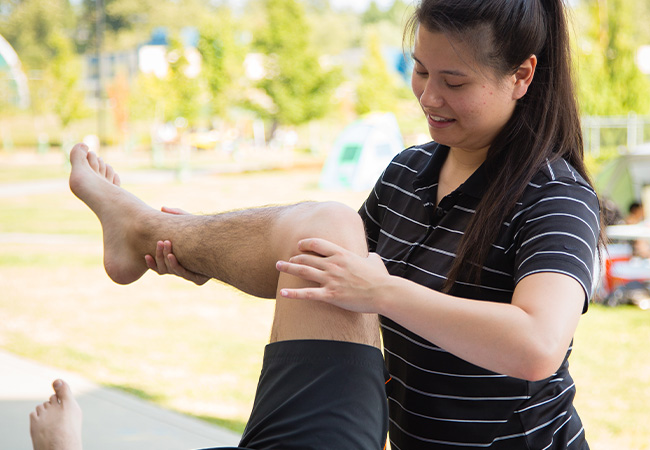
As many of you know, that team recently expanded when we hired a certified athletic therapist, Brynn Bicknell. What you may not know is that Brynn’s knowledge and training can help athletes and other active people manage long-term pain.
Today, we want to explore all the ways athletic therapy can help address chronic pain symptoms. And if you have any specific questions, don’t hesitate to give us a call!
Understanding Chronic Pain
Chronic pain is more widespread than you might realize and currently affects nearly 8 million Canadians. But what exactly makes pain “chronic”?
Everyone will experience pain at some point in their life, like when you stub your toe or accidentally cut yourself while making dinner. This pain is known as “acute pain” and is a way for your body to let you know you’ve hurt yourself. When the underlying injury goes away, so will the pain.
Chronic pain is much more complicated. It’s officially defined as pain that lasts longer than three months–well beyond the time it would take for a typical injury to heal. In many cases, chronic pain is a complex blend of physical and psychological factors.
But for athletes or other physically active people (such as those with physically demanding jobs), chronic pain can stem from overuse injuries that simply have not had the opportunity to heal properly.
That’s where we come in!
Finding Chronic Pain Relief with Athletic Therapy
Targeted exercise is one of the best ways to resolve chronic pain symptoms in physically active people, but an even better approach is to prevent chronic pain in the first place.
For example, patellofemoral pain syndrome is a common source of persistent knee pain in people who do a lot of running or jumping. It often develops due to overuse that strains the knee tendons, leading to symptoms whenever you run or climb stairs. Resolving it is usually a matter of strengthening the muscles that support the knee and adjusting your biomechanics, which help relieve pressure from the affected tendons.
Brynn can help with all aspects of this process.
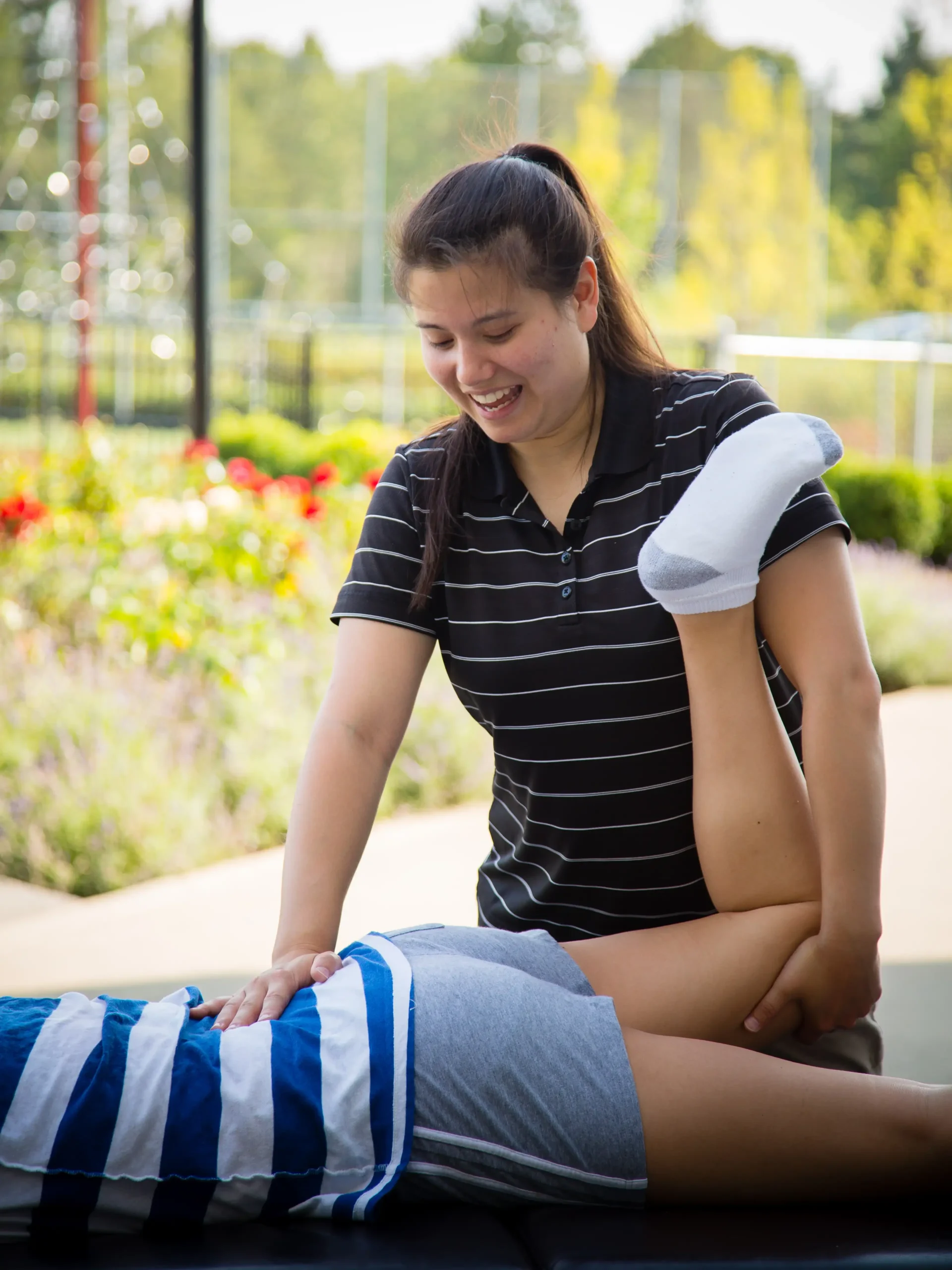
Her first step is identifying the reason for your pain. Brynn can quickly assess the site of your pain and identify any musculoskeletal injuries contributing to your symptoms. From there, she’ll create a personalized treatment and rehabilitation program:
- Personalized guidance on proper biomechanics, safety practices, and other preventative measures will help reduce your risk of re-injury.
- Manual therapy techniques offer a non-invasive, on-the-spot way to reduce pain, improve mobility, and prepare your body for exercise.
- A targeted progressive exercise program will help you restore the strength and function necessary to return to your favorite activities.


Schedule an Appointment to Get Started
Our entire team has experience helping those with chronic pain. We take the time to get to know more about you and your symptoms and will create a personalized care plan to help you move better and with less discomfort. Are you ready to begin addressing your chronic pain? Schedule an appointment with Jenna Howe today!
Pickleball Fever—Game, Set, and Athletic Training
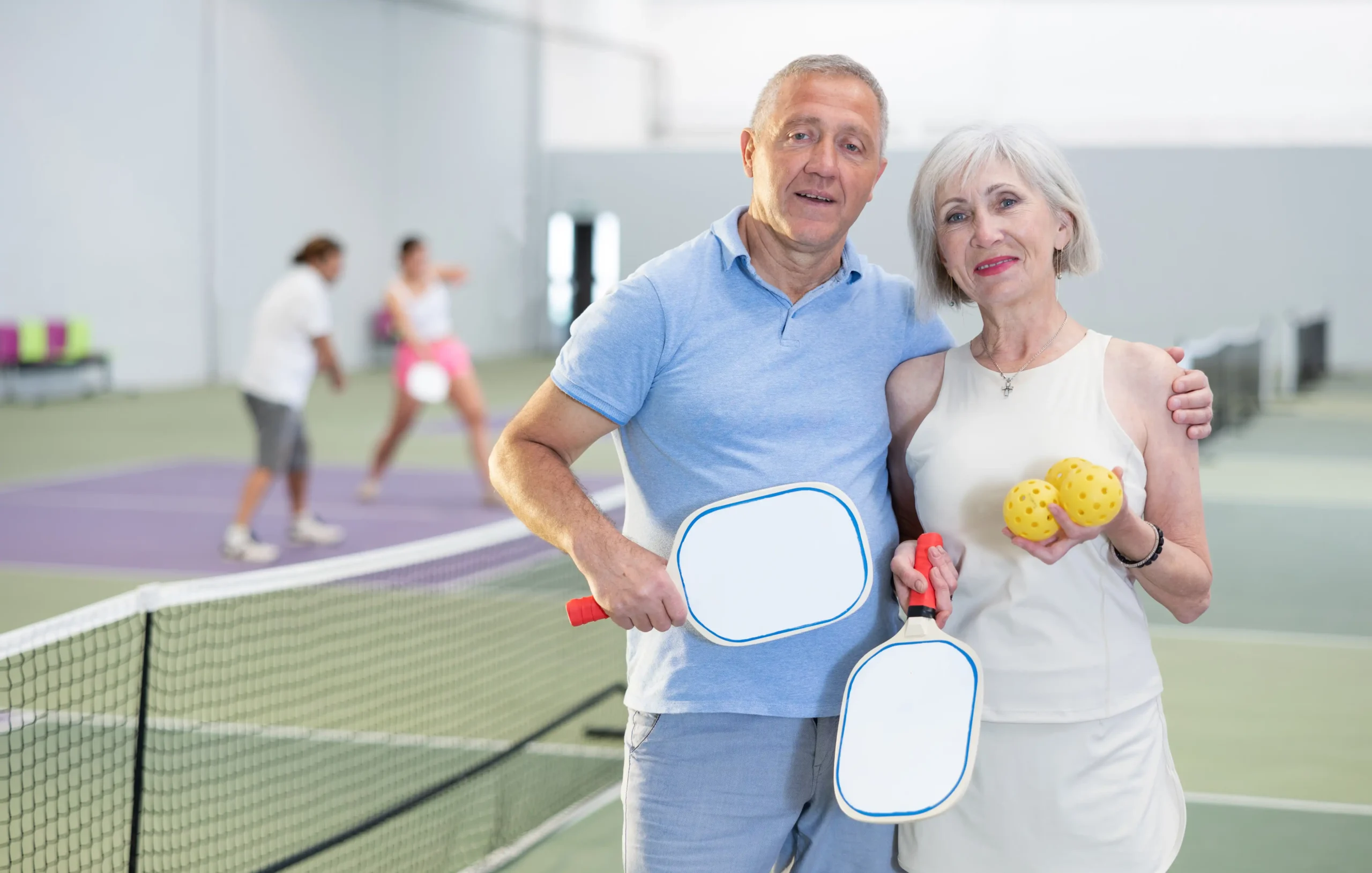
Pickleball, a fast-growing sport that blends elements of tennis, badminton, and table tennis, has become increasingly popular in Canada. This fun and accessible sport is especially favored by those looking for a low-impact way to stay active while enjoying social interaction.
At Jenna Howe’s Burnaby clinic, the team is excited about the benefits that pickleball can offer to overall wellness. Not only does it provide a great cardiovascular workout, but it also enhances coordination, balance, and reflexes. As a Manual Osteopathic Practitioner, Jenna emphasizes the importance of staying active in ways that are both enjoyable and sustainable, and pickleball fits the bill perfectly.
However, with any physical activity, there’s a potential for injury, especially if you’re new to the game or getting back into an active lifestyle. Common issues include shoulder strain, tennis elbow, and knee discomfort. This is where Brynn Bicknell, a Certified Athletic Therapist at Jenna’s Burnaby clinic, plays a crucial role. Brynn specializes in injury prevention and rehabilitation, offering personalized care to help players stay in the game.
Whether you’re just starting out or are an experienced player, Brynn and Jenna work together to ensure you have the support needed to enjoy pickleball safely. From advising on proper warm-ups and cool-downs to providing treatments for any discomfort, their combined expertise helps you maintain peak physical condition.
Pickleball is a fantastic way to stay healthy, build connections, and have fun. With the right care and attention, you can enjoy this exciting sport for years to come.
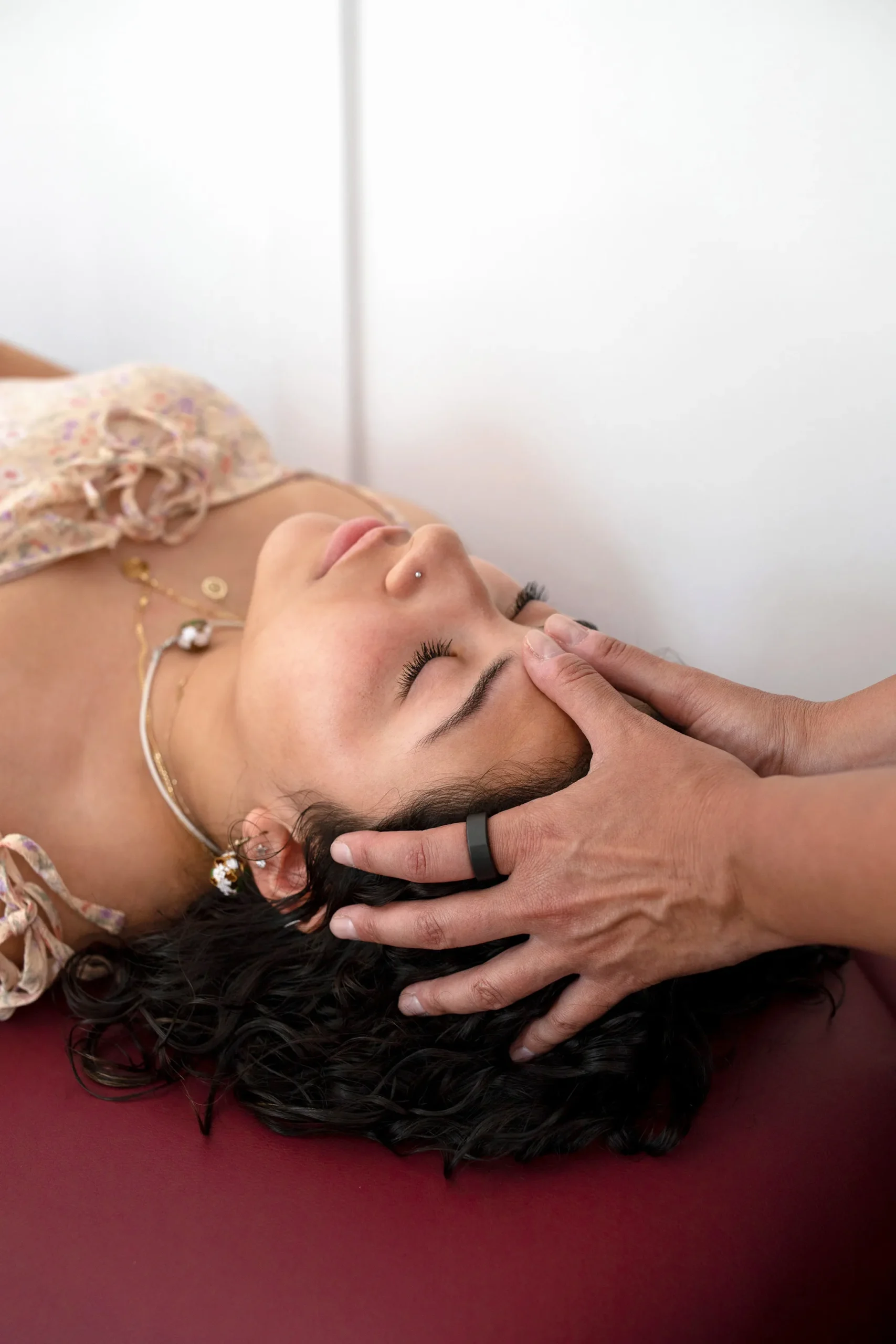
What is concussion therapy?
Concussion therapy is a highly useful tool in supporting recovery from traumatic brain injury. During concussion therapy, you can expect to work with a highly experienced osteopathic therapist who will evaluate the severity of your brain trauma and match you with tricks and strategies that can reduce discomfort, alleviate painful symptoms, and improve brain functionality.
All too often, it is these symptoms of a concussion that lead to the greatest amount of discomfort. Manual therapy can encourage a return to feeling better by restoring strength to atrophied muscles and improving endurance. This can be achieved through a combination of muscle-training activities and aerobics. However, it is important to work with an osteopathic therapist to gain guidance regarding the best activities for your body’s needs post-brain injury. Working out alone could lead to further injury. Your osteopathic therapist will customize a strength-building program for you, as well as guide you through aerobic moves that help you regain that endurance.
The Concussion Recovery Protocol ™ is a multimodal system rooted in Bowen Therapy, developed by Craig Mattimoe, and uses advanced techniques to address various areas affected by head trauma including but not limited to; the visual system, neuromuscular dysfunction, blood flow and circulation, lymphatics, and structural imbalances.
Have you “done everything” (meaning, rest, wait, physiotherapy, massage, chiro, and acupuncture), and a year or more later you are STILL experiencing headaches, neck pain, fogginess, fatigue, and visual issues? Jenna Howe can help you determine what else can be explored, what to expect, and where to go. A concussion consultant can help sift through the overwhelm of information, research on your behalf and help you devise a care plan that is individualized.

One-Pot Creamy Tuscan Pasta
Ingredients:
- 2 tablespoons unsalted butter
- 1 shallot, minced
- 4 garlic cloves, minced
- 2 tablespoons tomato paste
- 1 teaspoon dried oregano
- 1 teaspoon paprika
- 2 cups chicken broth
- 1 cup whole milk, or more as needed
- 8 oz penne pasta
- 1 cup cherry tomatoes, halved
- ½ cup sun-dried tomatoes in olive oil, julienne-style, drained
- kosher salt, to taste
- freshly ground black pepper, to taste
- 1 cup fresh baby spinach
- ½ cup grated parmesan cheese
- 2 tablespoons chopped fresh Italian parsley
Directions:
- In a large skillet, add the butter, shallot, and garlic; cook, stirring frequently, for 3-4 minutes, until softened.
- Add the tomato paste, oregano, and paprika. Cook and stir for 2 minutes, or until the tomato paste starts to darken.
- Add the chicken broth, milk, pasta, cherry tomatoes, and sun-dried tomatoes; season with salt and pepper.
- Bring to a boil, then reduce heat and simmer, stirring occasionally, for 18-20 minutes, until the pasta is tender yet firm to the bite.
- Remove from heat and stir in the spinach and Parmesan cheese until the spinach is wilted and the cheese is incorporated.
- If the mixture is too thick, add more milk as needed until the desired consistency is reached.
- Garnish with parsley and serve hot.