Exploring Athletic Therapy:
Acute Injury Rehabilitation
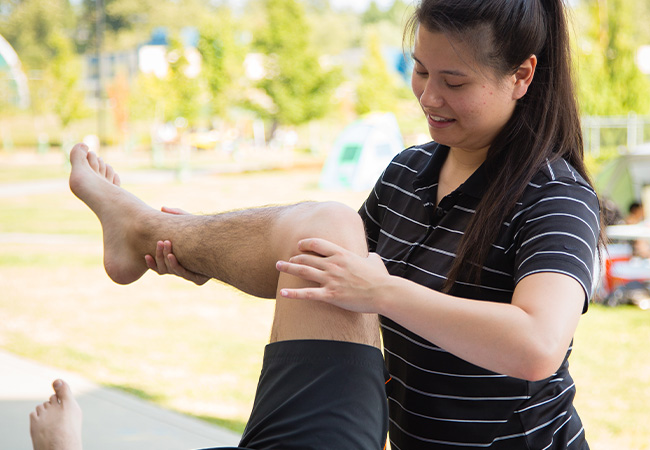
This month, we’re wrapping up our series on the benefits of athletic therapy by looking at how our athletic therapist can help you rehabilitate after an acute injury. For many people, acute injuries are the first thing they think of when they hear “athletic therapist.” And for good reason–athletic therapists are often the first ones on the field when an acute injury occurs, where they provide immediate care and ensure you get the medical attention you need.
However, athletic therapists can also help with long-term rehabilitation. At Jenna Howe, our athletic therapist has the training and knowledge to help you restore strength and function after your injury, ensuring you can safely return to your chosen sport. Let’s learn more about what she can do!
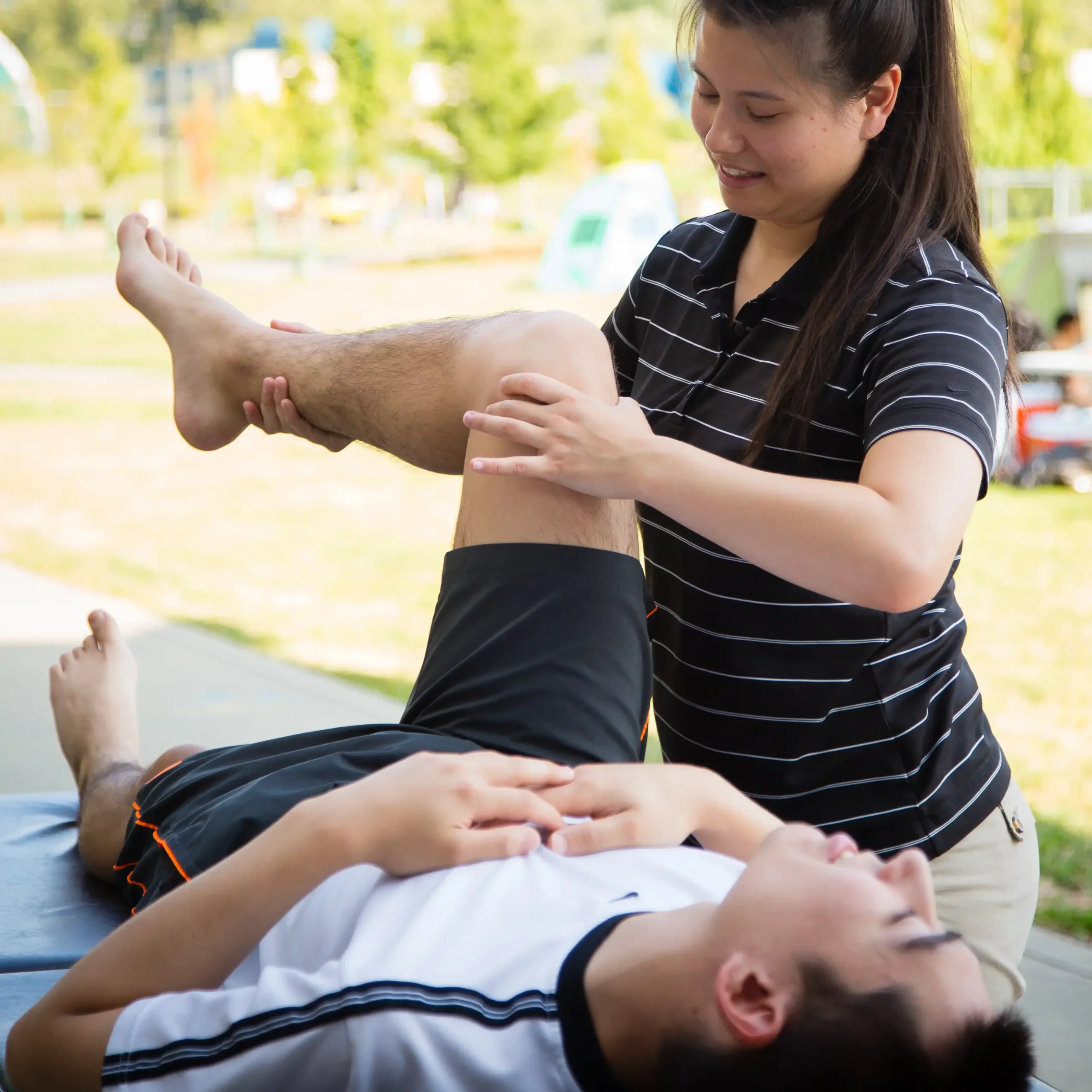
What Sorts of Acute Injuries Can We Rehabilitate?
Sprains
Sprains occur when the ligaments–bands of tissue that connect bones—are overstretched or torn, resulting in pain and instability in the affected joint. They usually occur when you push the joint too far out of its range of motion (e.g., rolling your ankle can cause an ankle sprain). Rehabilitation is essential in ensuring the damaged tissue heals properly.
Bone Fractures
Broken bones often occur from direct impact or falls. While bone fractures require immediate medical attention to heal properly, our athletic therapist can help you rehabilitate your affected limb once the cast comes off, ensuring you restore strength, range of motion, and function.
Dislocations
Dislocations occur when a bone slips out of its joint, and they’re common in contact sports like hockey or rugby. Like bone fractures, dislocation requires immediate medical attention to avoid further damage and comprehensive rehabilitation to help avoid long-term complications.
Concussions
These mild traumatic brain injuries result from a blow to the head. They can cause symptoms like headaches, dizziness, and confusion. Our athletic therapist can help guide you through a safe post-concussion rehabilitation, including helping to manage your symptoms as you recover.
How Does Athletic Therapy Support Acute Injury Rehabilitation?
Our athletic therapist will create a personalized rehab program that addresses your unique needs. Here are just some of the techniques she might suggest:
Manual Therapy
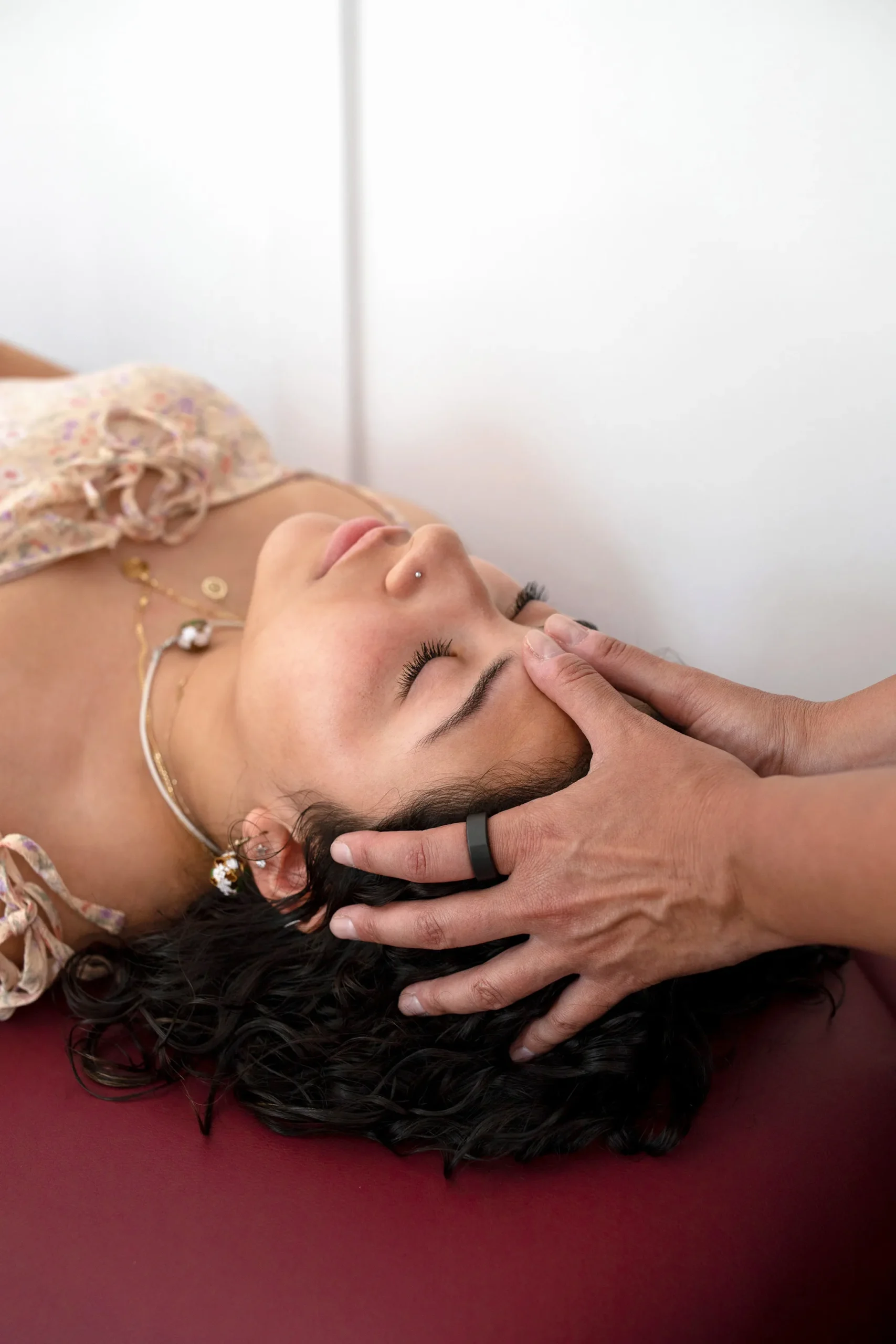
Our athletic therapist uses hands-on techniques to relieve muscle tension, improve joint mobility, and boost blood circulation to the affected area–which helps facilitate your body’s natural healing processes.
Taping & Bracing
Taping and bracing are two techniques that can help protect the injured area during recovery. They provide stability without restricting necessary movement.
Therapeutic Exercise Programs
Targeted exercise programs are essential in helping you improve the range of motion, strength, and function in the affected area. Our athletic therapist will tailor these exercises to meet your specific needs, including helping you improve any sports-specific movements.
Injury Prevention
We don’t just address injuries–we help you prevent them! Our athletic therapist can provide guidance on proper warm-up and cool-down routines, cross-training programs, and using proper form during activities.
Schedule An Appointment To Learn More!
Rehabilitating from an acute sports injury is an active process. Athletic therapy at Jenna Howe & Associates provides essential care to ensure you can return to your favorite sport as quickly and safely as possible after an injury. Have you recently suffered a sports injury? Schedule an appointment with us today to get started on your personalized rehabilitation program.

Concussion Corner
Immediate vs. Long-Term Concussion Care
Although concussions are classified as “mild” traumatic brain injuries–meaning they aren’t life-threatening–they still require extensive care to help you manage your symptoms as you recover from your injury. It’s also important that you understand the difference between immediate treatment and long-term rehabilitation.
What To Do in the First 24-48 Hours After a Concussion
Rest
Rest is essential in the immediate aftermath of a concussion. This isn’t just about limiting physical activity; you also want to reduce exposure to screens or loud environments.
Have Someone Stay With You
Arrange to have a friend or family member stay with you for the first 12-24 hours in case any emergencies arise. Concussion symptoms don’t always appear right away.
Monitor Your Symptoms
Watch out for headaches, dizziness, nausea, mood disruptions, and any cognitive changes. Ignoring your symptoms can cause them to worsen.
What To Expect From Long-Term Concussion Rehabilitation
Recovering from a concussion takes patience and attention. Our team is here to help you every step of the way.
Light Exercise
Light, monitored exercise, like walking on a treadmill or using a stationary bike, is important in helping you manage your symptoms and recover more efficiently, so we will generally start there.
Manual Therapy Techniques
Hands-on osteopathic manual therapy techniques can also help with lingering symptoms by helping to relieve tension and promote relaxation.
Targeted Techniques
As your symptoms improve, we might incorporate additional treatments, such as balance training, posture exercises, or targeted exercises, depending on your needs. These activities help improve function and address lingering issues like headaches or neck stiffness.

Staff Spotlight
Welcome our newest addition to the Victoria Practice: Marianne Beacon, RH, Bowen Therapist.
Marianne embraces the healing path and approaches her clients with encouragement, kindness, acceptance and understanding. Marianne holds space for those on their healing journey, and offers wisdom and expertise from decades of training and experience in multiple modalities as well as walking the path of her own healing. She is honoured to be of service to anyone in her practice. Marianne has been in practice as a Bowen practitioner for 22 years, providing advanced level Bowen and has also trained to the Instructor Level. Marianne sees the healing process as multi-faceted, and can be accessed through many doorways. On her journey, she has found that working with multiple modalities helped. She came to know that we cannot separate the body, mind, heart and spirit; each aspect is intricately entwined with the rest.
Easing Osteoarthritis Pain—A Holistic Approach
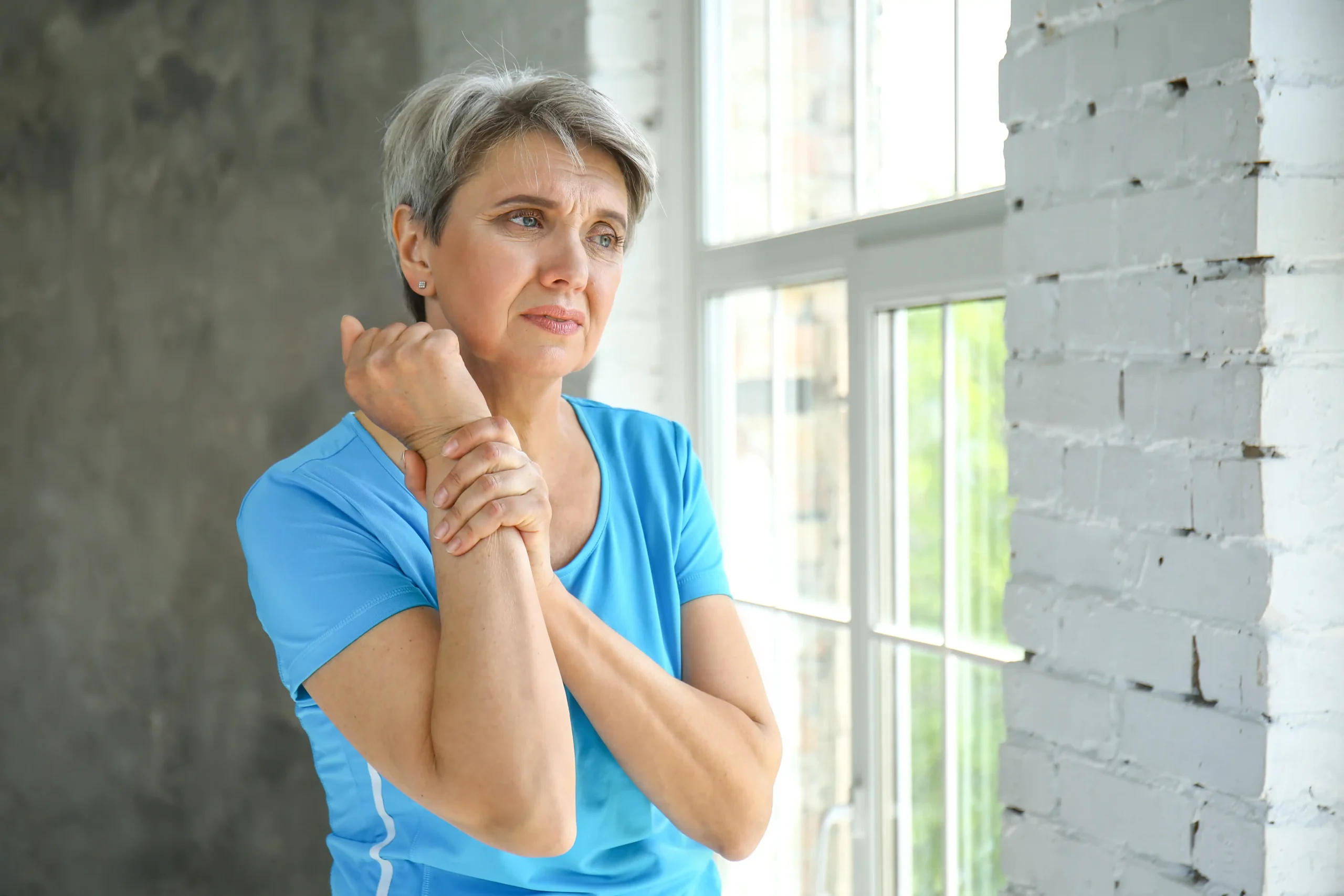
As the weather cools and the days grow shorter, many people with osteoarthritis (OA) may notice their joint pain and stiffness worsening. Osteoarthritis, the most common form of arthritis, affects millions of Canadians and can significantly impact quality of life. It occurs when the protective cartilage that cushions the ends of your bones wears down over time, leading to pain, swelling, and reduced joint mobility.
At her clinics in Victoria and Burnaby, Jenna Howe, a Manual Osteopathic Practitioner, works with clients to manage and alleviate the discomfort associated with osteoarthritis. Jenna’s approach is holistic, focusing on addressing the root cause of pain rather than just the symptoms. She combines manual osteopathic techniques with personalized exercise plans, lifestyle adjustments, and nutritional guidance to help reduce inflammation and improve joint function.
One of the key aspects of managing osteoarthritis is maintaining mobility. Regular, gentle exercise, such as swimming, walking, or yoga, can strengthen the muscles around the joints, providing better support and reducing strain. Jenna also emphasizes the importance of posture and body mechanics in everyday activities to prevent further joint damage.
In addition to manual therapy, Jenna collaborates with Brynn Bicknell, a Certified Athletic Therapist at her Burnaby clinic, to provide comprehensive care. Brynn’s expertise in rehabilitation and injury prevention complements Jenna’s treatments, offering clients a well-rounded approach to managing their osteoarthritis.
If you’re experiencing osteoarthritis pain, know that relief is possible. With the right combination of care, movement, and support, you can improve your joint health and continue to lead an active, fulfilling life.

Cranberry-Lemon Cheesecake Bars
Ingredients:
- 1 ¼ cups graham cracker crumbs (about 8 cracker sheets)
- 4 tablespoons unsalted butter (1/2 stick), melted
- Zest of 1 large lemon, divided
- 1 (8 ounce) package reduced-fat cream cheese, at room temperature
- ⅓ cup granulated sugar plus 2 tablespoons, divided
- ¼ cup sour cream or plain strained yogurt, such as Greek-style
- 1 large egg
- 3 tablespoons lemon juice
- 1 teaspoon vanilla extract
- ⅛ teaspoon salt
- 1 cup fresh or frozen (not thawed) cranberries
Directions:
- Preheat oven to 350°F. Coat an 8-inch-square baking pan with cooking spray. Stir graham cracker crumbs, butter and half the lemon zest together in a medium bowl. Press the mixture firmly and evenly into the prepared pan. Bake until lightly browned around the edges, about 10 minutes. Let cool in the pan on a wire rack for at least 10 minutes.
- Meanwhile, thoroughly whisk softened cream cheese, 1/3 cup sugar, sour cream (or yogurt), egg, lemon juice, vanilla, salt and the remaining lemon zest together in a medium bowl.
- Add cranberries and the remaining 2 tablespoons sugar to a food processor. Pulse until well chopped. Add to the cream cheese mixture and stir until incorporated. Pour the filling evenly over the baked crust. Bake until the center appears to be just set, 35 to 40 minutes. Cool to room temperature, then cover and refrigerate until cold, about 4 hours more.