Exploring Athletic Therapy:
Concussion Therapy
Last month, we explored how athletic therapy can help you manage chronic pain. This month, we want to dive into another area where athletic therapy shines: concussion therapy.
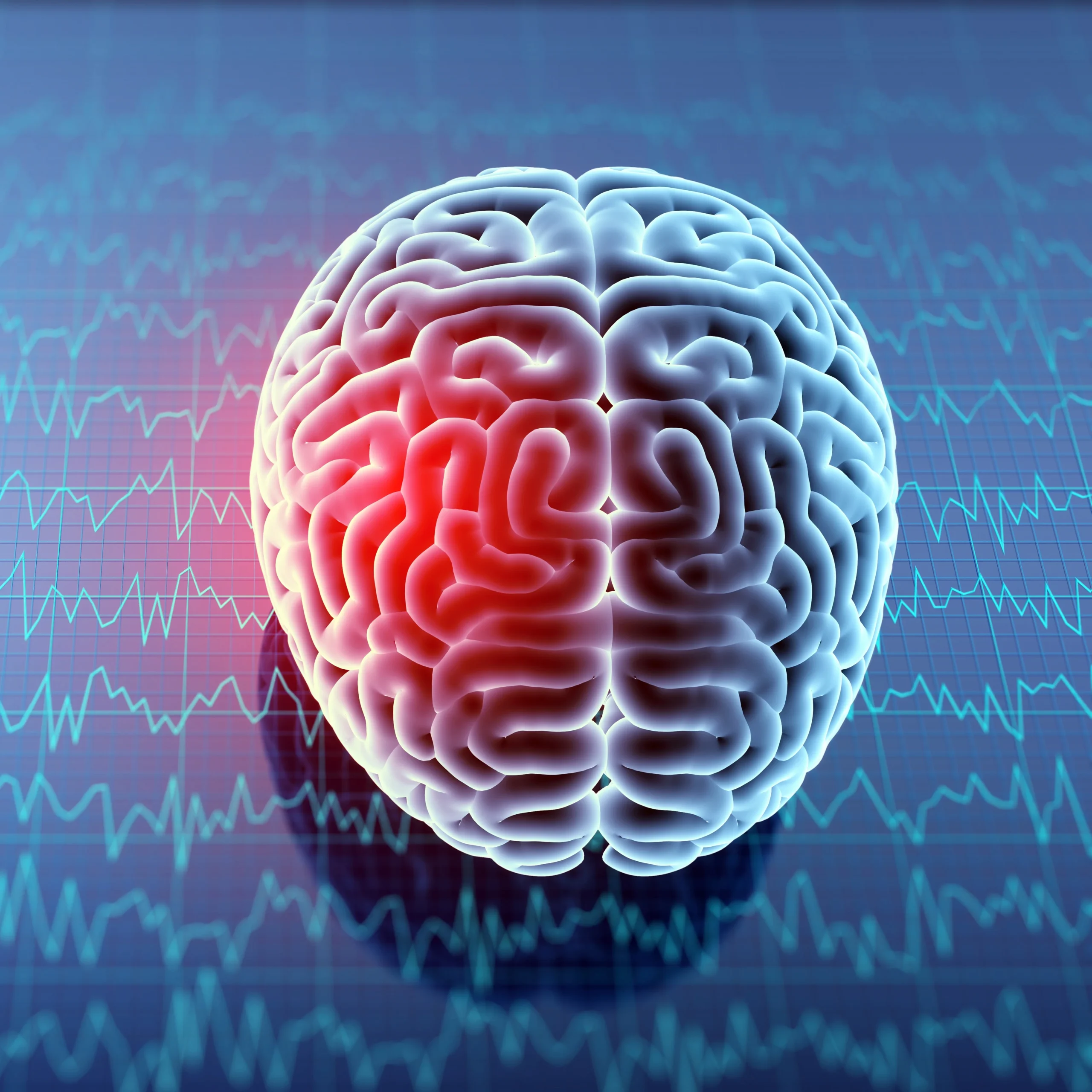
A concussion is a type of mild brain injury (TBI) that occurs when the brain jostles inside the skull, usually as the result of a fall or collision. They’re classified as “mild” because they aren’t life-threatening; however, concussions can still cause a wide range of physical, cognitive, and sensory symptoms.
Participating in sports or similar recreational activities is a significant contributing factor to experiencing concussions, as discovered by a recent survey on concussions in Canada. For this reason, athletic therapists undergo training on identifying and treating concussions, both in the immediate aftermath and in the days that follow.
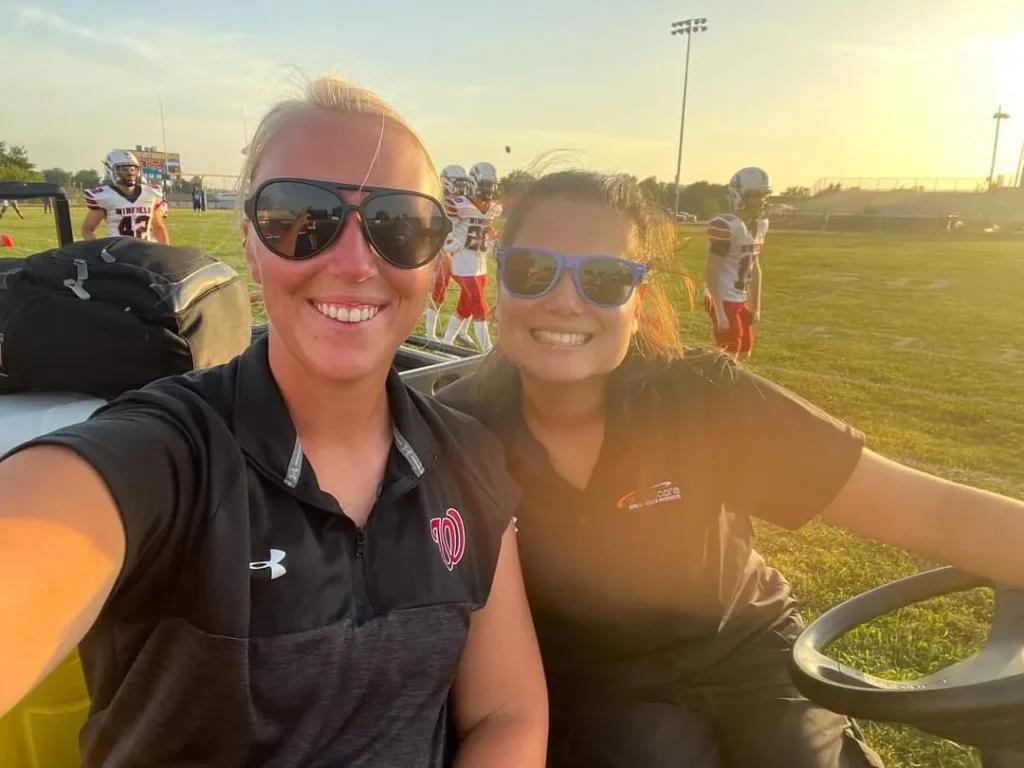
At Jenna Howe & Associates, both Jenna, Osteopathic Manual Practitioner and Brynn, our new Athletic Therapist can help you safely and effectively manage and treat your concussion symptoms. Today, we want to explore our approach to concussion therapy in more depth.
Managing Symptoms, Finding Relief: A Step-by-Step Guide to Concussion Therapy
Step 1: Understanding Your Symptoms
The first thing we’ll do is talk with you about your specific concussion symptoms. For example, are you experiencing head or neck pain? Dizziness or vertigo? Vision changes? Cognitive issues? Knowing your symptoms is the first step in finding effective relief.
Step 2: Creating a Personalized Concussion Therapy Program
Once we understand what you’re going through, we’ll create a personalized concussion therapy program that uses various approaches. Here are some of the techniques we might suggest:
Monitored Aerobic Exercise
- After the initial 48-hour rest period immediately following a concussion, gentle aerobic exercise is an important part of managing symptoms. Our athletic therapist will help you choose the best exercises for your needs and monitor you as you perform them, ensuring you don’t overexert yourself.
Manual Therapy Techniques
- We can perform hands-on, targeted manual therapy techniques to help address headaches or neck pain.
Balance Exercises
- If you’re struggling with balance issues, we can help improve your balance and stability through exercises that stabilize your core and limbs. We might also take you through personalized balance challenges to help you gradually improve your balance over time.
Step 3: Helping Your Return to Sports and Other Activities
We know you’re eager to return to your favorite physical activities, but it’s essential that you take things slow and steady after a concussion.
Our athletic trainer can develop a customized return-to-activity schedule to ease you back into your activities. She can show you modifications to your activities or training, let you know when you safely return to full-contact sports, and provide tips on preventing future concussions.

Personalized Concussion Relief at Jenna Howe & Associates
Both Jenna and Brynn understand the unique needs of concussed individuals, both athletes and non athletes. They know you want to stay active and get back to your life and training as soon as possible, and they also understand the importance of fully rehabilitating after your concussion! Brynn and Jenna will collaborate with your care team–to create a treatment program that addresses your specific needs.
Have you recently suffered a concussion? Do you need help managing your symptoms? Schedule an appointment at Jenna Howe & Associates today for your initial assessment! Concussion assessment and treatments are available at both Victoria and Burnaby locations.
Concussion Corner
Know the Signs of a Concussion
Concussions may not be life-threatening, but they still require medical attention. If you or a loved one participates in activities with a higher risk of concussion, it’s important that you be familiar with the signs so you can take action.
What Causes a Concussion?
Concussions occur when the brain jostles inside the skull. They typically occur due to the following:
- Falls
- Contact sports like hockey or football
- Motor vehicle accident
- Direct injury to the skull
Some people mistakenly believe that you can only develop a concussion after losing consciousness. This is not true! In reality, many people who develop a concussion never lose consciousness, so don’t use that as your guide.
Do I Have a Concussion? Look for These Symptoms
If you or a loved one is experiencing these symptoms after a blow to the head, seek medical attention:
- Headache
- Nausea and vomiting
- Dizziness or lightheadedness
- Balance difficulties
- Double or blurry vision
- Ringing in the ears
- Confusion
- Mood changes
- Changes to sleeping patterns
If you do have a concussion, the team at Jenna Howe is here to help you manage your symptoms as you rehabilitate. Call us today to learn more.

Breast Cancer Awareness Month
October is Breast Cancer Awareness Month, a time dedicated to raising awareness and promoting education about breast cancer, a disease that affects thousands of Canadians each year. In Canada, breast cancer is the most common cancer among women, with 1 in 8 women expected to be diagnosed in their lifetime. However, thanks to early detection and improved treatments, survival rates have significantly increased over the past decades.
For Jenna Howe, supporting her clients’ overall well-being goes beyond her expertise in manual osteopathy and pain management. As a health professional dedicated to holistic care, Jenna encourages her clients to be proactive about their health, which includes regular breast cancer screenings and self-examinations. Early detection is crucial, and when combined with a healthy lifestyle, it can make a significant difference in outcomes.
During Breast Cancer Awareness Month, take the opportunity to educate yourself and others about the importance of regular check-ups. If you have a family history of breast cancer or other risk factors, consider discussing personalized screening options with your healthcare provider. Remember, breast cancer doesn’t just affect women—men can be diagnosed too, though it’s less common.
Let this month serve as a reminder of the importance of self-care, awareness, and community support. Together, we can continue to make strides toward a future where breast cancer is fully understood, effectively treated and ultimately cured.
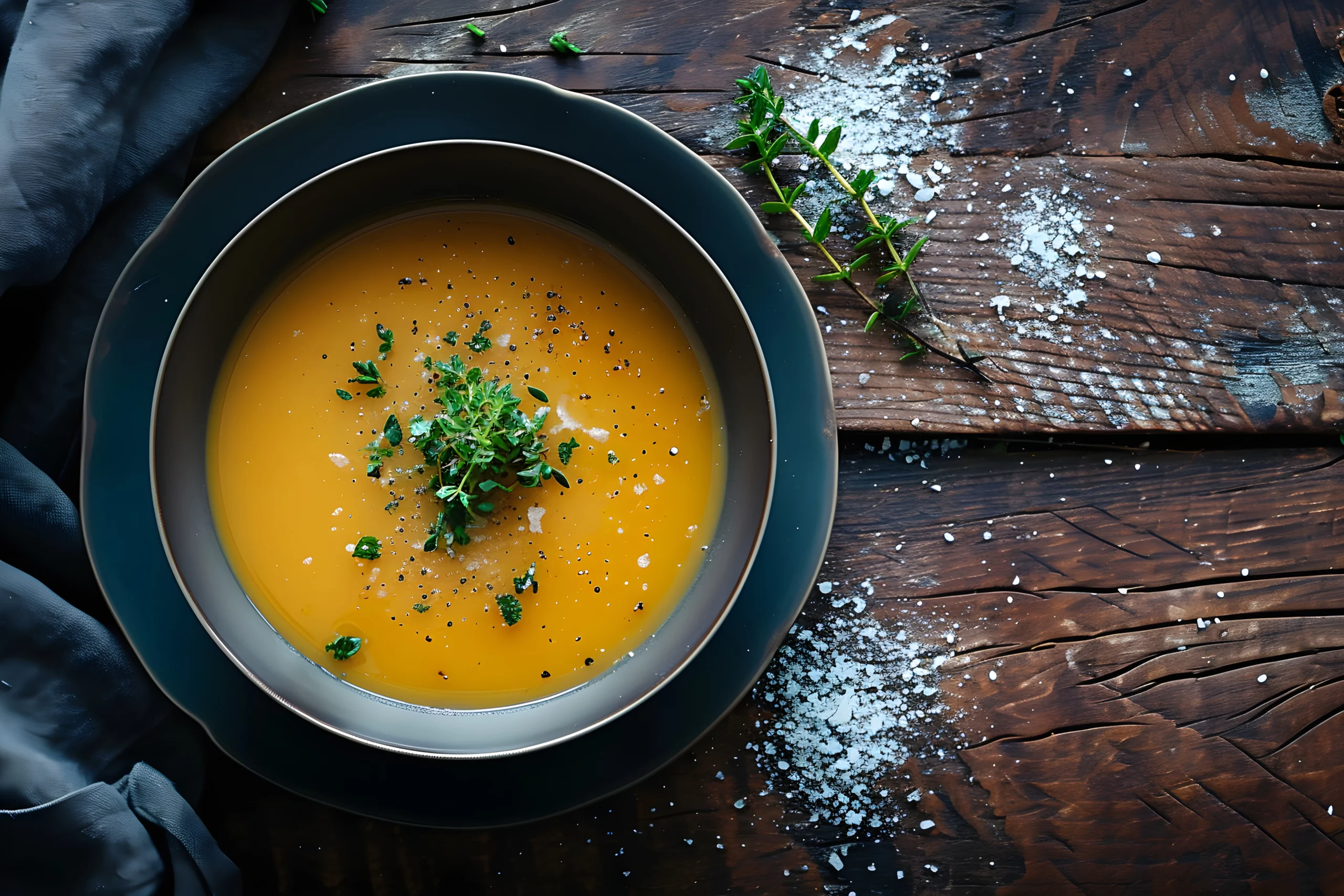
Thai Pumpkin Soup
Ingredients:
- 2 tablespoons olive oil
- 1 small white or yellow onion, chopped
- 1 teaspoon garlic powder (or use 2 cloves garlic, minced)
- 1 tablespoon ginger paste (or freshly grated ginger)
- 1 tablespoon lemongrass paste (optional)
- 3-4 tablespoons Thai red curry paste
- 2 cups low-sodium vegetable broth
- 15 ounces pumpkin puree (not pie filling)
- Kosher salt
- 14 ounces canned unsweetened coconut milk, well shaken
- lime or lemon juice
Suggested toppings:
- fresh cilantro, chopped
- thinly sliced serrano or jalapeno chile
- roasted pumpkin seeds or sunflower seeds
- crushed red pepper flakes
- swirls of coconut cream
Directions:
- Heat one tablespoon of the olive oil in a 4-5 quart Dutch oven or stock pot over medium until shimmering.
- Add the onion and saute until soft and translucent (about 6 minutes).
- Scoot the onions to one side and add the remaining one tablespoon of olive oil to the cleared side. Spoon the curry paste, ginger paste, lemongrass paste (if using), and garlic powder over the oil, and stir until fragrant. Mix into the onions.
- Add the broth and the pumpkin puree, and mix thoroughly.
- Raise the heat to bring the soup to an active simmer for 10 minutes.
- Turn heat to low. Taste the soup and add salt by the big pinch until flavorful.
- When the soup has completely stopped bubbling, whisk in the coconut milk.
- Add a splash (or squeeze) of lemon or lime juice and taste. Adjust with additional salt, if necessary.
- Serve with optional toppings.
- Leftovers keep well for several days in the fridge.
Concussion Recovery ProtocolTM
Certified Athletic Therapists are on the sideline, witnessing the injury, assessing risk and return to play decisions in a game. As a Licensed Athletic Trainer in the United States I was one of the few medical practitioners with the ability to return athletes to their sport.
- From witnessing the onset of the injury to returning to play daily, we see how concussions impact individuals and are experienced in safely returning an athlete to their sport.
- Educating the parent and athlete after the injury in management or at home care until their first treatment session.
- Hydrating
- Tylenol for pain
- Rest = sleep
- Limiting screen time
- What to expect in your first treatment at Jenna Howe and Associates
- Reduced and soft lighting
- A quiet space
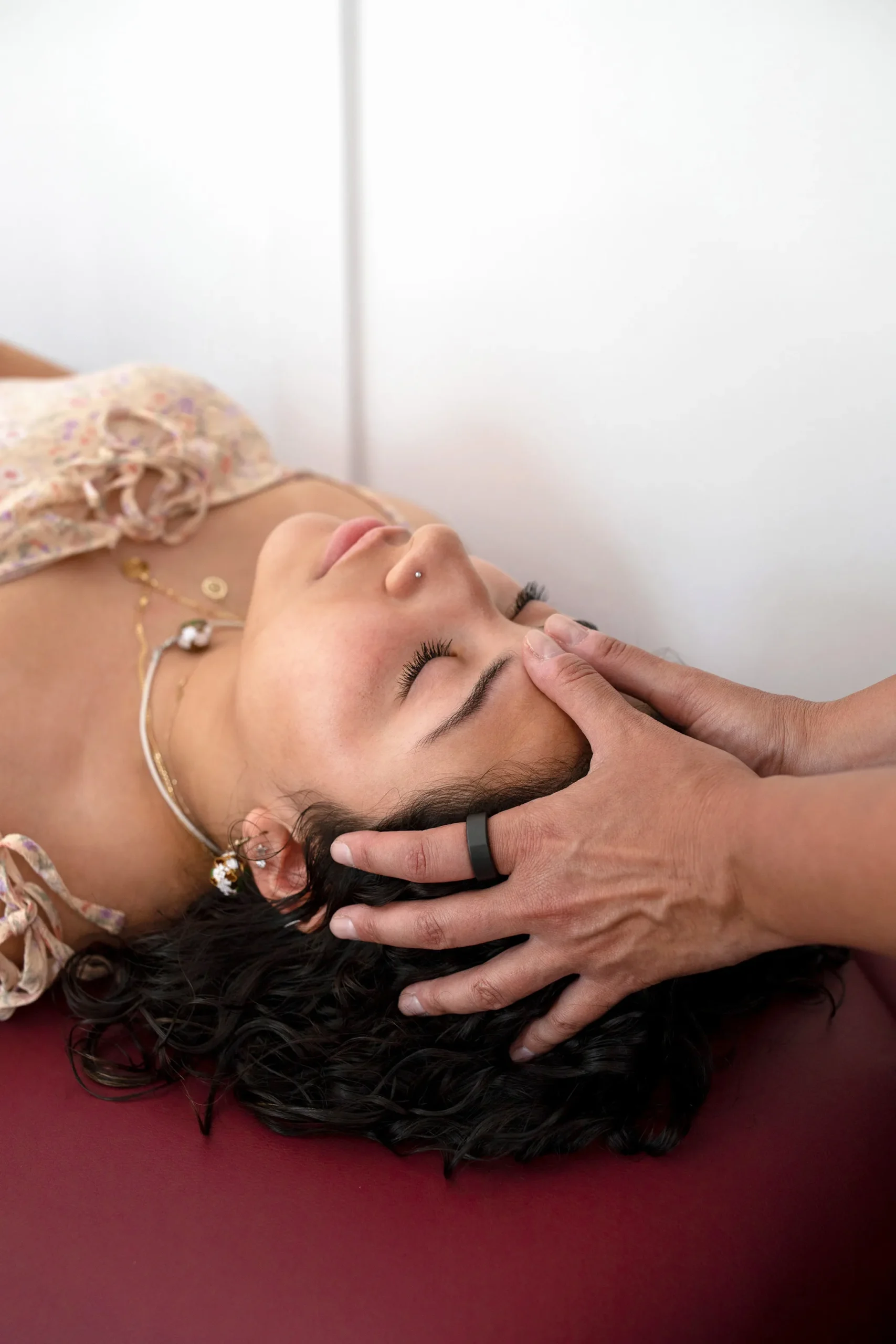
- Lying on a table and gentle treatment allowing the body to relax and heal
- The Concussion Recovery ProtocolTM, uses a gentle manual therapy that rebalances the body, stimulating it to heal itself
- After treatment
- Most notice a 50% reduction in symptoms within 48 hours after their treatment or more.
- A guided exercise program to foster healing and recovery
We know that not all concussion are the same and recognize that more time for certain elements may be required, we will assist you in managing your return to work and school with screens. Read more about the Concussion Recovery ProtocolTM on our website and the many testimonials of athletes and former athletes.