
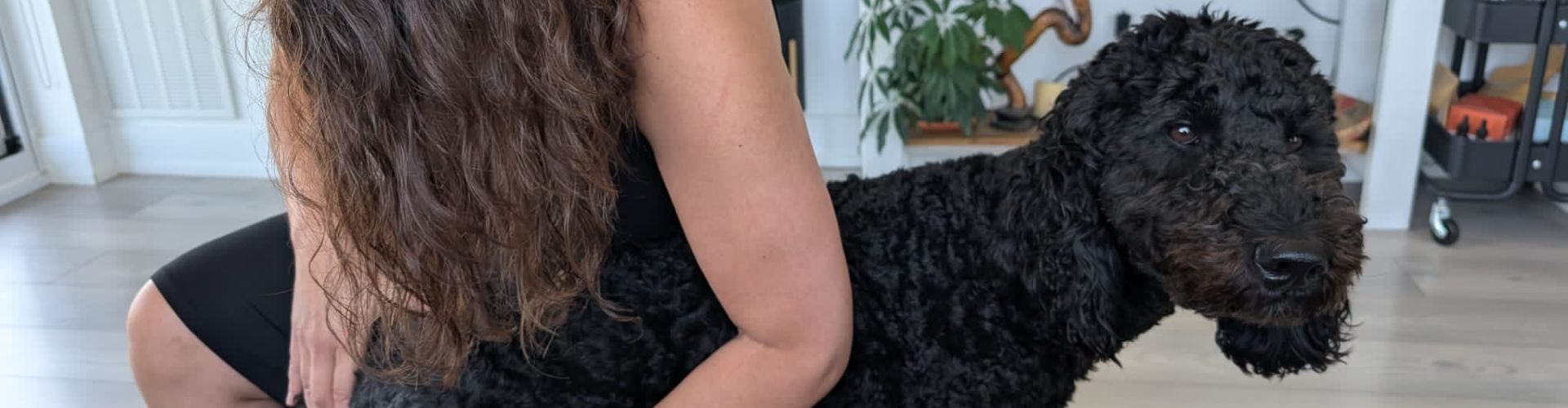
Helping Your Best Friend Move Through Life With Greater Ease
Your dog can’t tell you exactly where something feels stiff, sore, or different, but changes in movement and behaviour can speak volumes. Perhaps they hesitate before jumping into the car, seem less enthusiastic on walks, or simply are not moving like themselves. At Jenna Howe Osteopathy and Concussion Recovery, canine osteopathy in Victoria, BC provides gentle, hands-on care focused on your dog’s musculoskeletal health, mobility, and overall function.
Whether you share life with an energetic young dog, a canine athlete, or a much-loved senior companion, our approach considers the whole animal. We observe how your dog moves, listen carefully to what you have noticed at home, and tailor care to their individual needs.
What Is Canine Osteopathy?
Canine osteopathy is a form of manual therapy that evaluates how different areas of a dog’s body move and work together. The practitioner looks for changes in mobility or areas of tension that may be affecting comfortable, efficient movement.
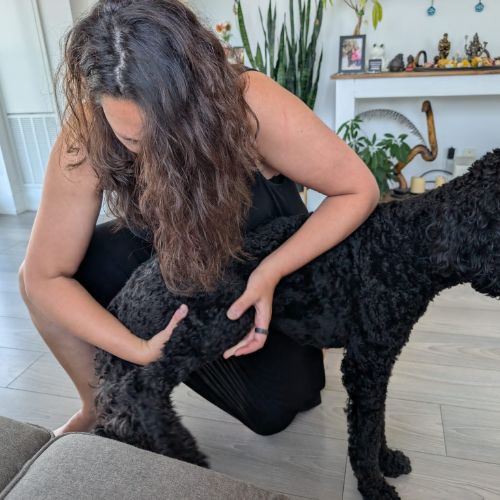
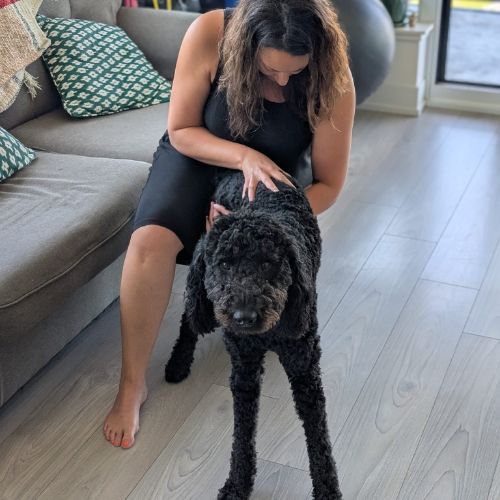
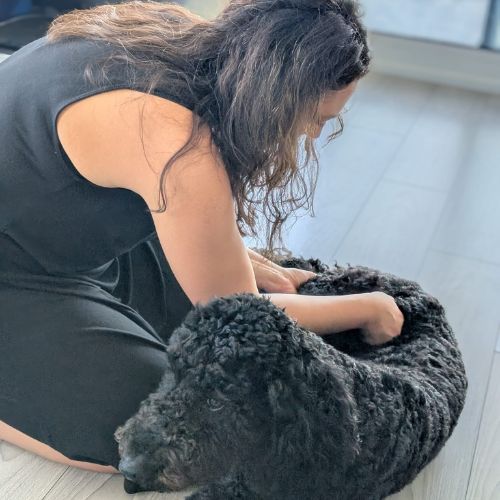
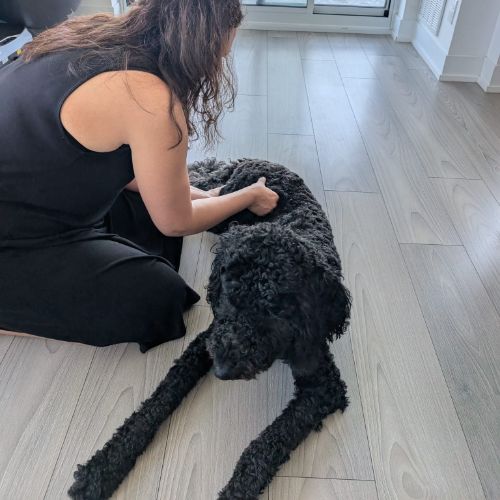
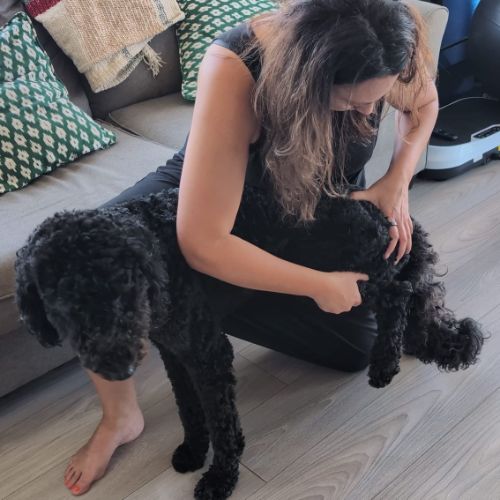
Assessment may include observing your dog as they stand, walk, and change positions, along with a gentle hands-on evaluation of relevant muscles, joints, and connective tissues. When appropriate, manual techniques can then be used to address areas of restricted mobility and support more comfortable movement.
Your observations are an important part of this process. Changes in gait, activity tolerance, posture, willingness to use stairs, or ability to perform familiar movements can all provide useful information.
A Familiar Philosophy, Adapted for Four Legs
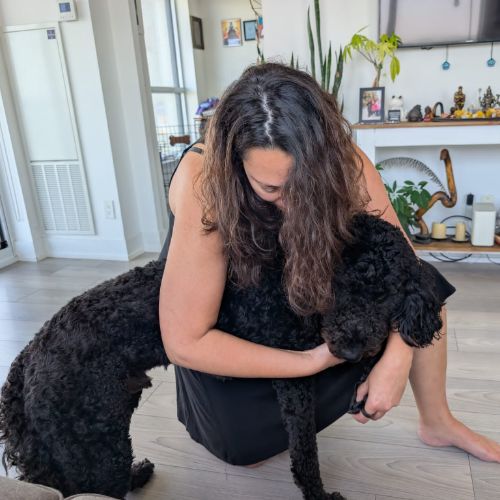
Canine and human osteopathy share a whole-body perspective, but treating a dog requires a distinctly different approach. Canine anatomy, biomechanics, movement patterns, and communication all influence how assessment and treatment are performed.
Unlike a human patient, your dog cannot describe symptoms or follow detailed instructions during an examination, so we rely more heavily on observation, palpation, your dog’s responses, and the history you provide.
Treatment also works with your dog rather than forcing a particular position or technique. Hands-on methods are adapted to your dog’s size, comfort, temperament, and tolerance. Breaks or changes in position may be incorporated when needed.
When Your Dog Is Moving Differently
Sometimes the first clue that something has changed is subtle. You know your dog’s normal habits better than anyone, so small differences in how they move or participate in favorite activities may stand out.
You might consider canine osteopathy as part of your dog’s care when they are experiencing musculoskeletal concerns such as stiffness, changes in mobility, or difficulty performing familiar physical activities. It may also be beneficial for active dogs experiencing the physical demands of training and sport, or for older dogs whose movement patterns and activity levels are changing with age.
You might also explore manual therapy as part of a broader recovery plan following certain injuries or procedures, when a veterinarian has determined that hands-on care is appropriate.
Help Your Canine Companion Keep Moving
Walks, playtime, adventures, and everyday companionship are important parts of your dog’s life. When their movement changes, having the right support can help you better understand what they need.
At Jenna Howe Osteopathy and Concussion Recovery, we provide thoughtful, individualized care that respects your dog’s comfort while keeping you informed throughout the process.
Wondering whether canine osteopathy could be appropriate for your dog? Contact us today to schedule an assessment in Victoria, BC and take the next step toward supporting your dog’s mobility and function.