Improving Your Posture in the New Year
As you set your health and fitness goals this year, we suggest you spend some time on one area that often gets overlooked: your posture!
Many people mistakenly think that good posture is just about appearance. In reality, proper posture helps ensure good spine health, which plays a significant role in preventing injuries and reducing pain in your back, neck, and jaw. Good posture can even help address certain types of headaches!
Because so many of us work in offices, where we sit in one position for hours at a time, our posture suffers. Fortunately, the team at Jenna Howe and Associates can help assess and address any postural issues that might cause you trouble in the new year.

Purchase a package of 3 x 45min Athletic Therapy sessions and receive 10% discount PLUS a posture kit. $349 plus GST. Limited supply of posture kits available.
*Athletic Therapy package only offered at the Burnaby location.
How Poor Posture Can Affect Your Health and Wellbeing
Falling into bad postural habits can, over time, lead to repetitive use injuries. This is particularly true in the workplace, where repetitive motions or prolonged sedentary postures are typical. Here are a few common workplace-related musculoskeletal complaints–and how poor posture can contribute to their development.
Back and Neck Pain
Slouching or leaning forward places extra strain on your spine, especially in your lower back and neck. Over time, this can lead to muscle restrictions and joint stiffness that can set you up for a more severe injury, like a herniated disc.
Shoulder Pain
Persistent slouching or hunching over a keyboard can lead to upper cross syndrome, which develops due to muscle tightness in the upper back and chest. It often manifests as shoulder pain (along with neck pain and headaches).
Jaw Pain
Many people are surprised to learn that posture can affect your jaw. When your head is pushed forward, it strains the muscles and joints in your jaw, potentially leading to temporomandibular joint (TMJ) dysfunction.
Headaches
Headaches are another surprising effect of poor posture. Slumped shoulders and a forward head position can cause muscle strain in the neck and upper back, which often refers to the head–a type of headache known as a cervicogenic headache.
Four New Year’s Resolutions To Help You Improve Your Posture
Properly set up your workstation.
This January, take some time to ensure your workstation is set up according to ergonomic principles. For example, make sure your computer monitor is at eye level, and your chair height allows you to sit with your feet comfortably on the floor.
Take frequent movement breaks.
An essential aspect of good posture is to keep moving. As we like to say, “Your next posture is your best posture.” If you have a sedentary job, a good New Year’s resolution is to set a timer to remind you to get up and move every 30 minutes. You don’t have to work out–walk around the office for a few minutes or perform simple stretches.
Strengthen your core.
Your core muscles consist of your back, oblique, hip, and deep abdominal muscles–and they play an essential role in supporting and stabilizing your spine, which makes it easier for you to maintain proper spinal alignment throughout the day. This year, resolve to incorporate more core workouts into your routine.
Schedule an appointment with Jenna Howe and Associates.
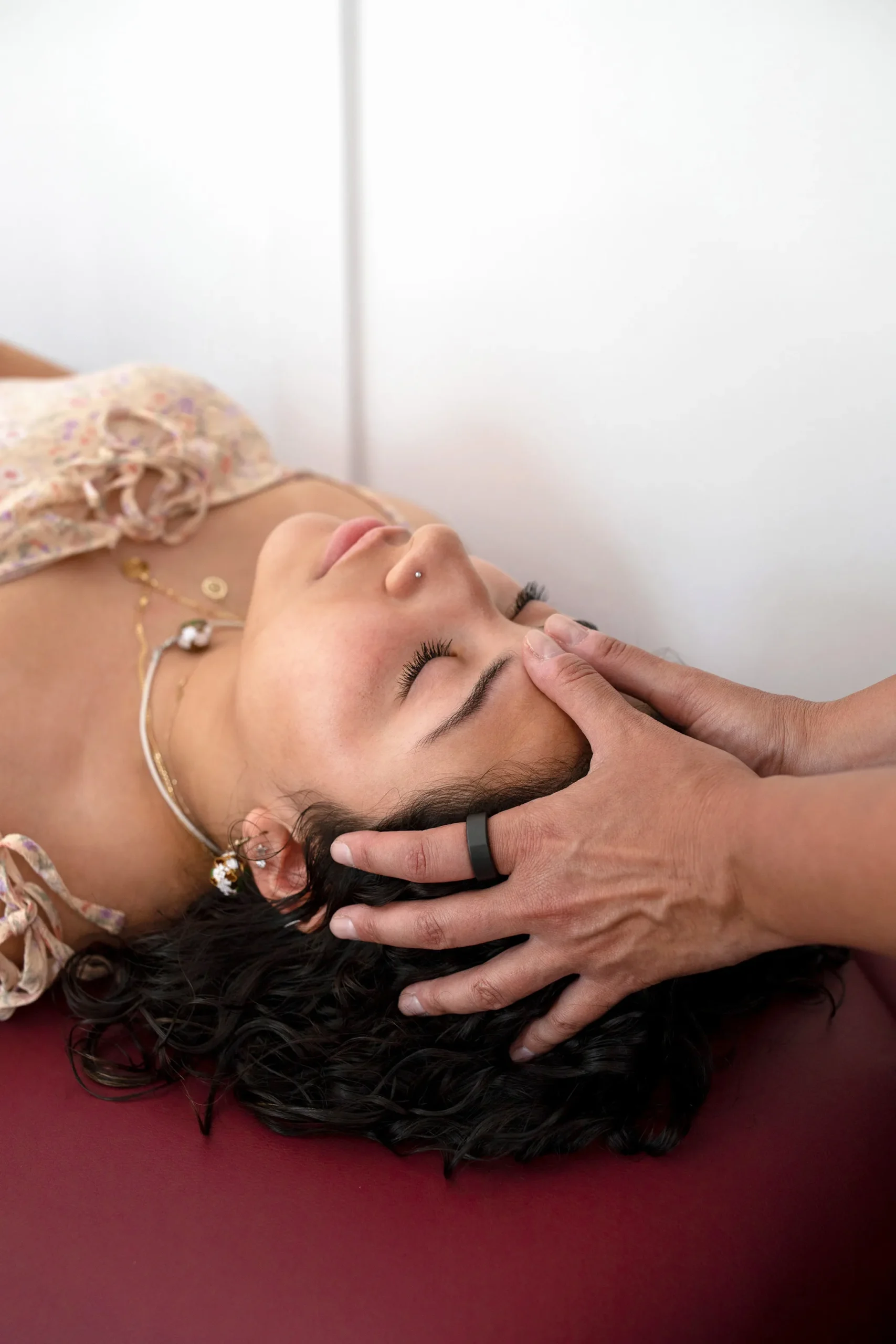
This January, set aside time to visit our osteopathic manual therapists! We can assess your posture, help you understand your injury risk, and provide personalized corrections and exercises to help keep your spine happy and healthy in the new year.
Call Us Today To Get Started
If you want to avoid workplace-related aches and pains in 2025, now’s the time to meet with the team at Jenna Howe and Associates. Schedule an appointment with us today!

Concussion Corner
Preventing Concussions
Did you know that concussions don’t just cause physical symptoms? They can also trigger emotional and psychological changes that often persist long after the initial injury.
Concussion therapy at Jenna Howe and Associates can help you manage these symptoms as part of your rehabilitation program. However, it’s important to be vigilant for mental symptoms after a concussion to ensure you get the care you need!
What Are Some of the Emotional Symptoms of Concussions?
Anxiety
Anxiety can manifest in different ways, including restlessness, excessive worry, or feelings of dread.
Mood Changes
This might manifest as profound sadness, increased irritability, or a tendency toward weepiness.
Mood Swings
You might find it challenging to regulate your emotions, resulting in wild swings between different emotional responses. For example, you might become overly quick to anger or cry.
Withdrawal from Friends or Loved Ones
Emotional symptoms can often lead people to seek isolation and avoid social situations. They can also manifest as a lack of interest in favorite activities.
How Osteopathic Therapy Can Help
Osteopathic manual therapy at Jenna Howe and Associates can address both physical and emotional well-being. Our hands-on treatment techniques can ease muscle tension, improve circulation, and help the body regain its natural balance. Many of the methods we use to address physical symptoms like headaches also promote relaxation, which helps manage anxiety.
Our team will work with you to create a personalized care plan to ensure we address all of your symptoms–not just the physical ones. For example, light aerobic exercise (such as using a stationary bike) may help boost mood while decreasing physical or cognitive symptoms.
A Whole-Body Approach
We understand that concussions cause more than just dizziness and headaches. By tending to your emotional well-being, we can help you feel like yourself again. If you’re struggling with concussion recovery, contact us today to learn more about how we can help.

Staff Spotlight: Marianne Beacon
Along with offering Bowen Therapy, Marianne has added 2 more services to be offered at Jenna Howe and Associates!
Herbal Consultation – Marianne has been a Clinical Herbalist since 2008, but has been working and studying herbs since the early 90’s. She brings a holistic approach to building individual formula for her clients. She also makes all her own tinctures with organic herbs and following ancient alchemical processes. Potent, pure herbal medicine to help optimize your health. This session can be done in person or on zoom.
Flower Essence Session – Marianne loves flowers, and has made about 300 of her own flower and gem essences. She has created this session to use the energy of the flowers to assist in helping heal the body from the energetic side, which also ripples through the emotional, mental, physical and spiritual aspects of health. This session can be done in person or on the phone.
Get a Free Posture Kit for the New Year!
Are you serious about improving your health and posture in 2025? Then don’t miss out on this great offer at Jenna Howe and Associates. Book a three-session athletic therapy package with Brynn Bicknell, our certified athletic therapist, and receive a free posture kit!
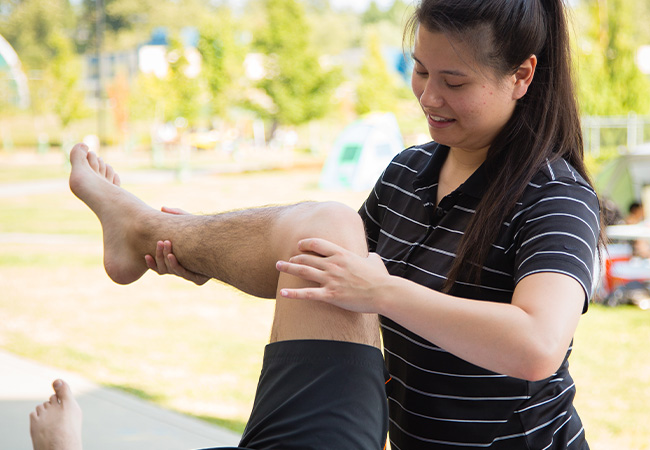
Athletic therapy can help anyone achieve their health and fitness goals, not just athletes. Brynn can help you understand any muscular imbalances or other issues that may affect your progress. She’ll then work with you to provide a personalized care plan. Your free posture kit is a specially designed brace that can gently correct your posture and help keep your spine aligned throughout the day. Call us today to book your athletic therapy package!

New Year Black-Eyed Peas
Ingredients:
- 1 pound dry black-eyed peas
- 2 tablespoons olive oil
- 1 large yellow onion, diced
- 2 cloves garlic, minced
- 2 (32 ounce) cartons chicken broth
- 8 cups water
- 1 pound smoked ham hocks
- 1 (14.5 ounce) can diced tomatoes
- 5 pepperoncini peppers
- 1 bay leaf
- ½ teaspoon garlic powder
- ¼ teaspoon ground thyme
- salt and pepper to taste
Directions:
- Place black-eyed peas into a large container and cover with several inches of cool water; let soak at room temperature, 8 hours to overnight. Drain and rinse; set aside.
- Heat olive oil in a large stockpot over medium heat. Add onion and garlic; cook and stir until onion becomes translucent, about 5 minutes. Pour in broth and water; bring to a boil, then reduce heat to a simmer. Stir in black-eyed peas, ham hocks, tomatoes, pepperoncini, bay leaf, garlic powder, thyme, salt, and pepper.
- Cover and simmer until peas are tender, ham meat is falling off the bones, and broth is thickened, about 3 hours.